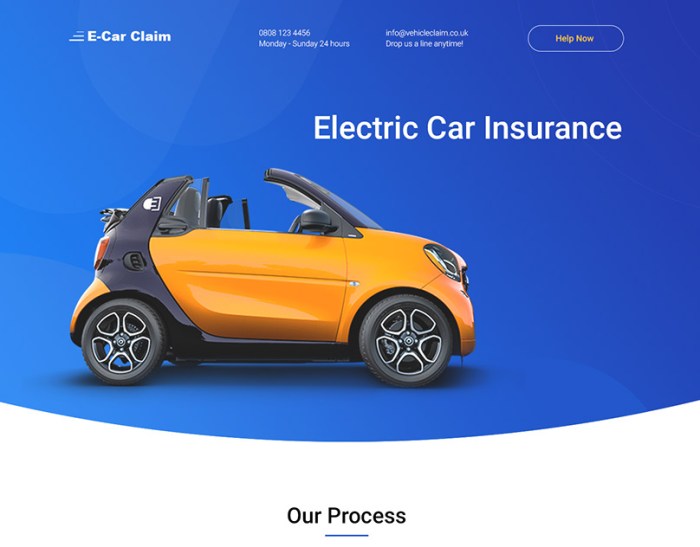
Car insurance for EVs introduces an exciting realm of coverage tailored specifically for electric vehicles, offering unique aspects that distinguish it from traditional car insurance. As the popularity of electric vehicles surges, understanding how their insurance works becomes crucial for owners seeking the best protection and value.
This overview will delve into the factors influencing insurance costs for EVs, the different types of coverage available, and how advancements in car safety technology impact premiums.
Understanding Car Insurance for Electric Vehicles (EVs)
Car insurance for electric vehicles (EVs) comes with distinct characteristics that set it apart from traditional vehicle insurance. As the popularity of EVs grows, it’s essential to explore how their unique features impact insurance coverage and costs.Electric vehicles differ from conventional cars in several ways that influence insurance policies. The technology used, such as battery packs and electric motors, can significantly affect repair costs.
Due to fewer moving parts, EVs generally experience less wear and tear, but the specialized nature of their components can lead to higher repair expenses when incidents occur. Moreover, factors like the vehicle’s range, charging infrastructure, and resale value also play significant roles in determining insurance premiums.
Factors Influencing the Cost of Insurance for Electric Vehicles
Understanding the various elements that contribute to the insurance costs of electric vehicles is vital for potential buyers. Several specific factors are taken into account when calculating premiums for EV insurance policies:
- Repair and Replacement Costs: The specialized components of EVs, such as high-voltage batteries and electric drivetrains, can be more expensive to repair or replace compared to traditional vehicles.
- Vehicle Value: The initial cost of the EV influences the insurance premium. Higher-value models typically lead to higher premiums due to increased repair and replacement costs.
- Safety Ratings: EVs often come with advanced safety features which can result in lower premiums, reflecting their ability to reduce the likelihood of accidents.
- Driving Habits: Insurers consider the typical usage patterns of EV owners, which may involve fewer miles driven or more environmentally conscious habits, potentially reducing risk and premiums.
- Battery Life and Warranty: The longevity and warranty of the battery can affect insurance costs. Longer warranties may indicate lower risk, leading to potential discounts on premiums.
Benefits of Tailored Insurance for Electric Vehicles
Having insurance that specifically caters to the needs of electric vehicles offers various advantages that conventional car insurance might not cover adequately. Some of the notable benefits include:
- Comprehensive Coverage: Tailored policies often provide coverage for charging stations, battery replacement, and potential roadside assistance specifically for EVs.
- Incentives and Discounts: Many insurers offer discounts for EV owners as part of eco-friendly initiatives, encouraging the use of electric vehicles.
- Access to Specialized Repair Services: Insurance policies designed for EVs may include partnerships with repair shops that specialize in electric vehicle technology, ensuring quality service.
- Emergency Roadside Assistance: EV insurance often includes specific roadside assistance tailored for charging issues, offering peace of mind on long trips.
Overall, understanding the unique aspects of EV insurance helps consumers make informed decisions and secure the best coverage for their electric vehicles.
Types of Coverage for EVs
Electric vehicles (EVs) are becoming increasingly popular, and with this rise comes the need for tailored insurance coverage. Understanding the types of coverage available for EVs is essential for owners to ensure they are adequately protected. This section delves into various coverage options, highlighting the importance of comprehensive and collision coverage, and identifying valuable add-ons specifically beneficial for electric vehicle insurance policies.
Overview of Coverage Types
When it comes to insuring an electric vehicle, several types of coverage are typically available. Each type serves a specific purpose, ensuring that both the vehicle and the driver are protected in different scenarios. Here are the main coverage options:
- Liability Coverage: This is a mandatory coverage that protects you financially if you are at fault in an accident. It covers damages to other vehicles and medical expenses for other parties involved.
- Comprehensive Coverage: Comprehensive insurance covers damages to your EV caused by non-collision events such as theft, vandalism, natural disasters, or hitting an animal. This is particularly important for EV owners since the costs to repair or replace can be significant.
- Collision Coverage: This type covers damage to your EV resulting from a collision with another vehicle or object, regardless of fault. Given the advanced technology in EVs, maintaining collision coverage is crucial to protect against high repair costs.
- Uninsured/Underinsured Motorist Coverage: This coverage protects you in case you’re in an accident with a driver who has inadequate insurance or no insurance at all. It’s an important safeguard that can help cover medical expenses and damages.
Importance of Comprehensive and Collision Coverage
For EV owners, comprehensive and collision coverage play a pivotal role in financial protection. Given the specialized components and technology in electric vehicles, repair costs can be significantly higher than traditional vehicles. For instance, an EV battery replacement can cost thousands of dollars, making comprehensive coverage a wise choice to mitigate such expenses.
“Comprehensive and collision coverage are essential for EV owners due to the high potential cost of repairs and replacements.”
Collision coverage protects against the financial impact of accidents, while comprehensive coverage provides peace of mind against unforeseen events. This dual protection ensures that EV owners can navigate the roads with confidence, knowing they are safeguarded against a variety of risks.
Beneficial Protections and Add-Ons
In addition to standard coverage options, several add-ons can enhance electric vehicle insurance policies, offering specialized protection. These additional features can address the unique needs of EV owners:
- Gap Insurance: This covers the difference between what you owe on your car loan and its current market value in case of a total loss, which is particularly beneficial for new EVs that depreciate rapidly.
- Roadside Assistance: EV-specific roadside assistance can be invaluable, offering services like towing to charging stations or assistance with battery issues.
- Charging Equipment Coverage: Some policies may offer coverage for charging equipment, protecting against damage or theft of home charging stations.
- Replacement Vehicle Coverage: If your EV is in the shop for repairs, this coverage can help cover costs for a rental vehicle, ensuring you remain mobile.
By selecting appropriate add-ons, EV owners can customize their insurance policies to meet their specific needs, ensuring comprehensive protection tailored to electric vehicles and their unique considerations.
The Role of Car Auto in EV Insurance

The relationship between the safety features of electric vehicles (EVs) and their insurance premiums is increasingly important in today’s automotive landscape. As car manufacturers integrate advanced auto technologies into their designs, these features play a significant role in determining insurance costs. Insurers recognize that enhanced safety features can lower the risk of accidents, and as a result, the premiums for EVs may reflect these advancements.Insurance providers assess various auto safety features when determining premiums.
Features like automatic emergency braking, lane-keeping assistance, and adaptive cruise control not only contribute to safer driving but also indicate lower potential repair costs following an accident. This correlation often leads to reduced insurance rates for vehicles equipped with such technologies. For example, the presence of advanced driver-assistance systems (ADAS) can improve a car’s safety rating significantly, subsequently lowering insurance premiums.
Impact of Car Auto Technology on Insurance Rates
The advancements in car auto technology have a direct influence on insurance rates, with several key features being particularly impactful. Understanding how these features affect premiums is crucial for EV owners.To illustrate this, here is a comparison chart of various car auto features and how they can influence insurance options for electric vehicles:
| Feature | Impact on Insurance Premiums |
|---|---|
| Automatic Emergency Braking | Can reduce premiums due to decreased likelihood of collision. |
| Blind Spot Monitoring | May lower premiums by enhancing lane change safety. |
| Adaptive Cruise Control | Potentially decreases premiums due to reduced risk of rear-end collisions. |
| Lane-Keeping Assist | Can lead to discounts as it helps prevent drifting out of lanes. |
| Surround-View Camera System | Can positively affect premiums by providing better visibility and reducing accidents. |
As technology continues to evolve, the integration of new safety features is likely to further influence insurance rates, offering potential savings to EV owners. Furthermore, the data collected from these advanced systems can assist insurers in evaluating risk more accurately, creating a more tailored insurance experience for every driver.
Closing Notes

In conclusion, navigating the world of car insurance for EVs is essential for ensuring your vehicle is adequately protected. By familiarizing yourself with the specific coverage options and understanding how various factors influence premiums, you can make informed decisions that not only safeguard your investment but also enhance your overall driving experience.
User Queries
What makes EV insurance different from standard car insurance?
EV insurance often considers the unique technology and higher repair costs associated with electric vehicles, offering tailored coverage options.
Are EV insurance premiums higher than traditional vehicles?
Not necessarily; while some EVs may have higher premiums due to repair costs, many insurers offer competitive rates influenced by various factors.
Can I add roadside assistance to my EV insurance policy?
Yes, most insurance providers offer roadside assistance as an add-on, which can be beneficial for EV owners in case of battery issues.
Does having advanced safety features lower my premium?
Yes, many insurers provide discounts for vehicles equipped with advanced safety technologies that reduce the likelihood of accidents.
Are there special discounts available for EV owners?
Many insurers offer discounts for EV owners, such as lower premiums for environmentally friendly vehicles or incentives for using specific charging networks.


